A windshield does more than keep bugs out of your teeth. It supports the roof in a rollover, gives airbags a surface to brace against, and offers the clear view that keeps you in your lane and out of the ditch. When I worked front desk and fielded calls for an Auto Glass Shop, the pattern was predictable. A driver would notice a pebble pop on the highway, shrug it off, then watch a hairline crack grow inch by inch across the glass the next cold morning. That small delay often turned an easy Auto Glass Repair into a full Auto Glass Replacement. With a little care and a few habits, you can tilt the odds in your favor and avoid that downward spiral.
Why windshields fail
Modern windshields use laminated safety glass, two sheets of glass bonded with a plastic layer called PVB. It resists shattering, but it is not invincible. Damage usually comes from three directions: impact, stress, and neglect. Impact is obvious, like a rock from a dump truck. Stress is sneaky. Rapid temperature swings, flawed installation, body flex from worn suspension, and slam-shut doors can create pressure that turns a dot into a crack. Neglect is the slow drift. Wipers scrape on dry glass, a chalky windshield bakes in the sun, a chip sits open to grit and moisture until it grows beyond repair.
A windshield’s strength also depends on installation quality. That black adhesive bead is not just glue. It is a structural urethane, a critical component in crash performance. Good installers treat the pinch weld for rust, use the right urethane for the vehicle and temperature, and let it cure for the time the manufacturer specifies. That is why smart drivers do not shop by price alone. Paying less for a hasty windshield Replacement can cost more if a leak or wind noise forces a do-over.
The habits that keep glass intact on the road
I spend a lot of time driving rural highways where gravel haulers are a fact of life. The patterns you learn out there translate to city commuters too. Distance is your first defense. Those little pebbles need velocity and angle to chip glass. The closer you sit behind a truck, the more direct their path to your windshield. Aim for at least four car lengths behind any vehicle with exposed loads or aggressive tires. If you see gravel skipping out from under a trailer, back off sooner.
Lanes matter more than most drivers realize. Right lanes gather debris from shoulders and from trucks merging and exiting. If you have the choice, run the center lane on multilane highways, then slide right only when you intend to exit. After storms or construction work, expect extra debris and give yourself more space.
Tire tread throws stones. This is not theoretical. I have followed a brand-new sports car on performance tires and heard three distinct pings in under a minute. If you can, avoid driving directly behind vehicles with wide, sticky, or aggressive treads. Move a lane over, or even offset within your lane to shift the angle of impact so pebbles glance off the glass rather than strike square.
Your speed also changes risk. Impact energy goes up with speed, and a pebble that would leave a speck at 35 can nick a crater at 75. You do not need to crawl, but easing off the throttle in known risk zones, like fresh chip-seal roads, pays off.
Most drivers forget the power of a clean windshield. Grit, salt, and micro-sand form a paste under your wiper blades. That paste is sandpaper. In summer you see haze and streaks. In winter it carves arcs that refract headlights. Keep a spray bottle of glass cleaner and a microfiber towel in the trunk. Give the windshield a real cleaning at the gas station, then wipe the squeegee water lines dry. Dry glass reduces drag on wipers and prevents micro-scratching. If the station bucket looks like a tea of dirt and bugs, skip it and use your own bottle.
Wipers, washers, and what they actually do to glass
Wipers are cheap compared with glass, yet people stretch them too far. Rubber hardens with UV and ozone. A blade that looks fine can start chattering or skipping, which does two harmful things. First, it leaves bare spots you cannot see through when you need it. Second, it vibrates and hammers across the glass, adding stress, especially on cold mornings.
Replace blades every 6 to 12 months, sooner if you park outdoors. When you install new ones, clean the glass with an alcohol-based cleaner to remove old rubber and road film so the new edge does not drag. Top off washer fluid with a solvent designed for your climate. Plain water can freeze, swell, and crack the tank or lines. In cold states, use a winter blend rated well below your lowest forecast.
Do not run wipers on dry, dusty glass. Hit the washers first, or if your system is empty, stop and moisten the surface. If you hear that squeaky, stuttering chatter, you are scraping, not wiping. I have seen lines etched into windshields that match exactly where worn wipers traveled for months. Once etched, that distortion does not buff away. It is one of the few times a driver needs Auto Glass Replacement even without a chip or crack.
Weather is not neutral
Temperature swings are rough on laminated glass. Hot glass expands, cold glass contracts, and the PVB layer has its own behavior. That mismatch makes small flaws grow. You cannot control the weather, windshield Repair but you can avoid shocking the glass. In summer, crack the windows a sliver if it is safe, or use a reflective shade to cut cabin heat. Never blast an ice-cold AC straight at a hot windshield on high fan. Start with lower fan speed, recirculation off, and point the vents downward for a minute to let the glass cool gradually.
Winter calls for patience. I get why people dump warm water on the windshield on an icy morning. I also know the tiny lightning-bolt crack that can appear in ten seconds if the glass has a microchip. Use a proper ice scraper, let the defroster warm slowly, and brush off snow before you run the wipers. Frozen wipers tear easily, and trying to free them by cycling the switch can overstrain the linkage.
If you live where roads are salted, rinse your car often. Salt crust on glass becomes abrasive. A quick rinse at a self-serve bay knocks off the grit. Do not forget the edge near the cowl, where sludge collects and eats into the lower seal over time.
Parking is strategy
Where you leave the car matters more than you might expect. Under trees, sap and bird droppings bake on and require force to remove, which tempts scratching. Branches break in wind. In busy lots, carts and tailgates are the real threat, but direct sun is a slow killer too. UV cooks wiper blades, dries the rubber gasket around the glass, and accelerates the aging of the PVB layer, which increases hazing over many years.
If you do not have covered parking, a simple folding sun shade and thoughtful positioning help. Park nose-out when possible, so heat escapes faster when you start driving. Face away from prevailing winds that carry grit. During hail forecasts, find a garage or covered structure. If that is not an option, an old blanket or foam camping pad under a tarp can diffuse some impact. It looks improvised because it is, but I have watched it spare glass when neighbors lost theirs.
Chips, cracks, and when to act
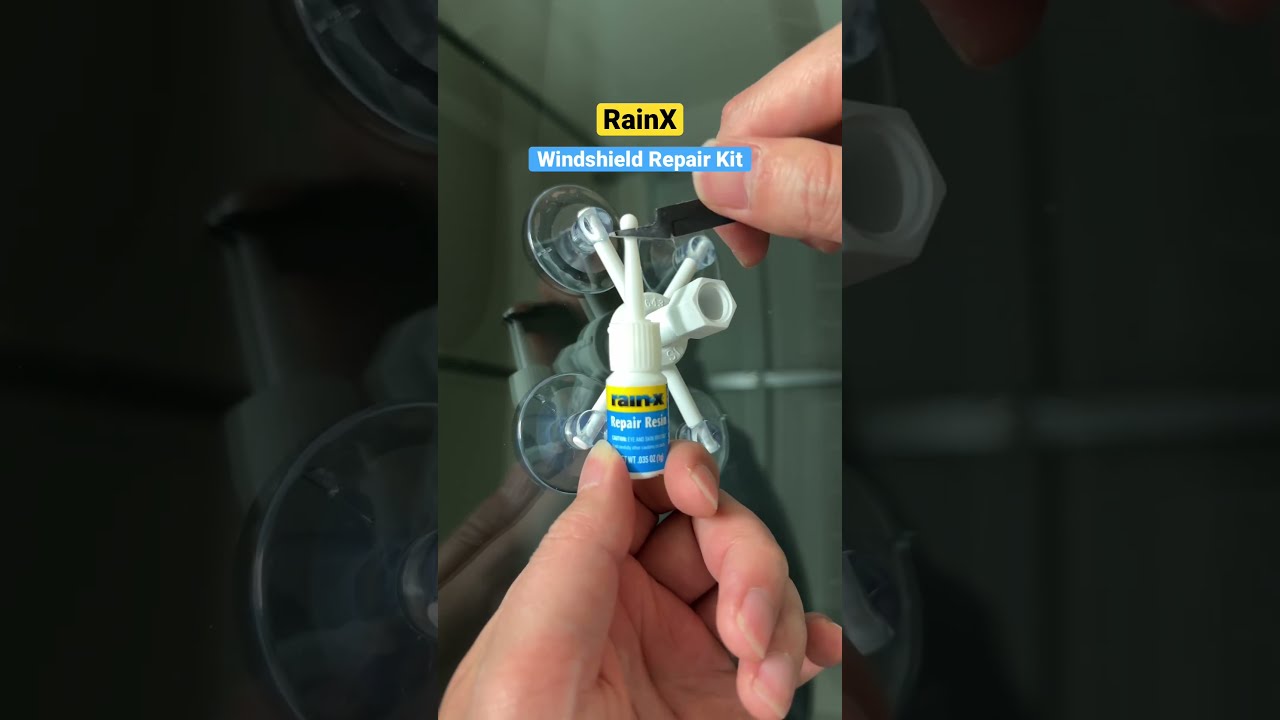
Here is the rule of thumb I give friends: if the damage is smaller than a quarter and not directly in the driver’s primary line of sight, and the crack legs are under three inches, a skilled technician can often perform an Auto Glass Repair. The process uses vacuum and pressure to inject resin into the chip or crack, which restores some strength and vastly improves appearance. The best time to repair is the day you notice the chip. Time lets moisture and dirt creep into the break, which blocks resin and leaves a stain.
Cracks behave differently. A simple bull’s-eye or star break tends to stabilize with a good repair. A long crack that spans more than six inches, or any crack with multiple legs branching, is a poor candidate for repair. You might see people on forums trying to stop-drill the ends of cracks. That used to be common, but without proper resin fill and UV cure, the crack usually keeps going. When in doubt, send a clear photo to an Auto Glass Shop and ask for an assessment. Good shops will tell you honestly if repair is a good idea or if a windshield Replacement is safer and more cost effective.
If you need replacement, ask about the glass options. Original equipment manufacturer glass tends to fit and sound better, especially on vehicles that are sensitive to wind noise. Aftermarket glass varies. There are tiers, and not all are equal. Ask about brand, thickness, and acoustic interlayer if your vehicle originally had one. A proper Auto Glass Replacement includes recalibration when the windshield supports driver assistance cameras. Lane-keep and automatic emergency braking rely on that camera, and the mount alignment is measured in millimeters. Skipping calibration is a false economy.
Construction zones and gravel roads without the drama
Even the most cautious driver eventually ends up behind a pilot car on a fresh chip-seal road. You can get through with minimal risk if you treat it like a small game of angles and timing. Watch the vehicle ahead for stones flicking off the tires. If you see them, add a few more car lengths. Stay out of the loose marbles near the shoulder. Choose your path where the tires of many cars have already pressed stones into the binder.
If you hear one sharp ping, it happens. If you hear several in sequence, your spacing is too tight or your position is poor. Ease off and adjust. On long unpaved stretches, keep speeds under 40 mph. At 60 on washboard, you are the rock thrower as much as the rock catcher, and the next driver will pay for your dust plume.
Cleaning techniques that help rather than harm
Household glass cleaner with ammonia smells like results, but ammonia dries out rubber and can haze tint. Use an automotive-specific glass cleaner or a simple mix of distilled water with a bit of isopropyl alcohol and a drop of mild soap. Two towels beat one. Wipe with a damp towel first to lift the film, professional auto glass repair then buff with a dry microfiber until the glass squeaks.
Hydrophobic coatings can help water bead and fly off at speed. I use them on my own cars, but with a caveat. Apply thin, follow cure time, and keep it off wiper blades. Heavy coatings can make wipers chatter. If that happens, clean the glass with an alcohol-based cleaner to reset the surface, or switch to blades designed for coated glass.
Inside, that foggy film is usually outgassing from plastics. It builds faster in heat. Wipe it monthly. Vision at night improves dramatically when you do. If you smoke or use scented oils, expect more residue and schedule more frequent cleaning.
When a small problem becomes a big one
I once met a customer who had lived with a star-shaped chip for nine months. It sat above the passenger wiper arc, so it did not bother her. Then a cold snap hit. She ran the defroster on high, and the star turned into a river that grew across the glass during her commute. Her insurance would have covered repair with no deductible, but replacement meant paying hundreds out of pocket. That is the economics most people miss. Many insurers waive deductibles for chip repairs because repairs reduce claims, while replacing an entire windshield triggers the deductible. Check your policy, then put a reminder in your phone: if you get a chip, schedule a repair within 48 hours.
Another quiet cost is time. A repair takes 30 to 45 minutes and you can often wait in the parking lot. A replacement with camera recalibration can run two to three hours, sometimes longer if the vehicle requires dynamic road testing as part of the alignment process. If you plan your week around that time, fine. If you do not, it derails your day.
Reading the signs of a good Auto Glass Shop
You can spot a careful shop in five minutes. They ask questions about your car’s options, not just the year and model. A windshield for a trim with rain sensors, acoustic glass, and a forward camera differs from the base version. They talk through urethane cure times and safe drive-away windows, and they are not shy about saying no to same-hour departures when the temperature is borderline for the adhesive used.
Watch their prep. Clean, protected fenders, vacuum cups in good condition, glass set evenly, and technicians who do not rush the pinch weld prep are all green flags. Ask if they pass on installing glass over rusted pinch welds without addressing the corrosion. A proper repair prevents leaks and future adhesive failure. Good shops also provide documentation for ADAS recalibration and will show you the readings or logs on request.
Price matters, but do not make it the only lever. Cutting corners on mobile installs in subfreezing temps, using general-purpose urethane instead of a cold-weather formula, or skipping primer on a scratched pinch weld are the kind of shortcuts that cause wind noise, leaks, or worse, a windshield that does not hold in a crash.
Insurance, deductibles, and practical math
Policies differ widely. Some cover chip repair fully, some apply a small copay, and some roll everything under a glass endorsement you have to opt into. In states like Florida and Kentucky, glass coverage laws are more consumer-friendly, while in others you carry a deductible unless you add a rider. If your deductible is high, ask your carrier about a separate glass policy. They are often inexpensive, especially for drivers who rack up highway miles.
When a shop quotes you, ask two prices: repair and replacement with OEM-equivalent and true OEM glass. The gap can be significant. On a compact sedan, aftermarket glass might be 300 to 450 dollars installed, while OEM can be 600 to 900. On vehicles with HUD or infrared glass, OEM can reach four figures. Knowing the spread helps you decide if paying extra makes sense. On a luxury SUV you intend to keep for a decade, spending more for the correct acoustic and coated glass may save you from years of wind noise and heat load.
Small tools that prevent big chips
You do not need a trunk full of gear, but a few items pay their rent. Keep a dedicated glass towel and cleaner, a compact ice scraper with a soft edge, and a spare set of wiper inserts or blades if your car uses common sizes. In summer road-trip season, painter’s tape can secure a loose molding temporarily without leaving residue, and a clear, high-quality chip repair patch can seal a fresh stone break until a technician injects resin. Those patches, applied to a dry surface, keep water and dirt out and make the final repair cleaner and stronger.
If you live on gravel or travel behind RVs, debris flaps on your own vehicle reduce what you throw at others and sometimes what comes back at you. The cost is modest compared with a glass claim.
Trade-offs and edge cases
A few situations complicate the usual advice. Some performance cars and trucks have very upright windshields or tall, blunt noses that catch stones no matter what you do. The best you can do is maintain spacing and replace blades more often. Some owners apply clear protective film to the windshield. Be cautious. Most films are not legal for on-road use on the windshield, and they can distort or haze. There are new glass treatments and laminated constructions that better resist pitting, but widespread availability and long-term clarity vary. If a salesperson promises a magic coating that makes glass invulnerable, take that with a grain of road salt.
Aftermarket roof racks and light bars can redirect airflow and increase bug and debris strikes. If you add them, watch how the windshield accumulates grime and adjust cleaning and coating habits accordingly. Off-road use is its own world. Carry a spare wiper set, a patch kit for chips, and consider a mesh guard for slow, rocky sections, removing it for highway travel to avoid vision and airflow issues.
Simple maintenance timeline to stay ahead
- Inspect your windshield monthly in good light for chips, pits, and wiper wear paths. Clean inside and out, and replace wiper blades every 6 to 12 months depending on exposure. After any noticeable impact or ping, apply a clear chip patch if available and schedule Auto Glass Repair within 48 hours. Avoid blasting defrost or AC on high directly at the damage until repaired.
When replacement is the smart choice
No one is excited to buy a new windshield. Sometimes it is the only safe route. If a crack reaches the edge of the glass, structural integrity is compromised. If damage sits in the driver’s primary view, repair might leave distortion that becomes fatiguing and unsafe, especially at night. If a prior poor repair left air lines or contamination, a second attempt can be throwing good money after bad.
When you schedule, set expectations for weather and cure. Ask the shop if mobile service is wise in your conditions. A controlled bay is usually better, especially in heatwaves or cold snaps. Plan the recalibration for any ADAS features and budget the time. Keep your expectations realistic about minor differences in optical distortion or tint between brands. If you are sensitive to that, lean toward OEM.
The payoff of prevention
Windshield care is quiet work. There is no applause for backing off a gravel truck or taking a minute to clean the inside film that makes oncoming lights halo. The reward shows up the night a deer darts out and you see it a half second sooner because your glass is spotless and your wipers do not smear. It shows up in your wallet when a quarter-sized chip becomes a 20-minute repair instead of a four-hundred-dollar replacement. It shows up years later when the cabin is still calm because the acoustic interlayer and seals are intact.
I have yet to meet a driver who regrets calling an Auto Glass Shop early. The conversations that start with, “I wish I had come in sooner,” happen every week. Treat the windshield like the vital safety component it is. Build in the small habits that protect it. If the day comes when you need a windshield Replacement, choose a shop that treats the job with the respect it deserves. Your view, your roof strength, and your airbags are counting on that piece of glass staying exactly where it is supposed to be.